If your business has been running on a handful of $20-a-month AI tools, it’s worth paying attention to what’s happening in AI pricing right now. The flat, predictable, unlimited-use plans that made AI easy to adopt are quietly disappearing, replaced by pricing that’s more complex, and in some cases, more expensive.
This doesn’t mean AI is suddenly unaffordable. It means the pricing model is shifting, and small businesses that don’t pay attention could end up with surprise bills or tools they’ve outgrown without realizing it.
Why AI Pricing Is Changing
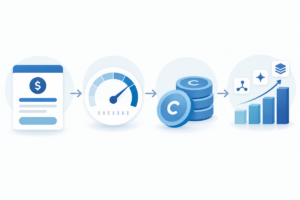
For the past few years, many AI companies prioritized growth over profit. Flat-rate, unlimited plans made tools easy to try and easy to adopt widely. That approach is becoming harder to sustain.
A few things are driving the shift:
- Advanced AI features cost more to run. Tools that can plan multi-step tasks or act autonomously (often called agentic AI) can consume far more computing resources than a simple chatbot response, sometimes 5 to 30 times more.
- Companies are under pressure to turn a profit. Several major AI providers have reported significant losses while offering low-cost plans, and that subsidized era appears to be ending.
- Usage-based billing is replacing flat fees. Instead of one predictable monthly price, more tools now charge based on how much you actually use, similar to a utility bill rather than a subscription.
At the same time, it’s not all bad news. Increased competition between AI providers has pushed the baseline cost of basic AI usage down in many cases. The real shift isn’t that “AI is getting more expensive” across the board. It’s that pricing is getting more layered, with basic use staying cheap while advanced, high-usage features cost significantly more.
What This Looks Like in Practice
A few real patterns worth knowing about:
- Free tiers are getting tighter. Some platforms have moved their AI features out of free plans entirely and into paid business or enterprise tiers.
- Usage credits are replacing unlimited access. Some tools now measure usage in credits rather than a flat allowance, meaning heavier use costs more, sometimes significantly more.
- “Flat rate” plans are being phased out for power users. Several major providers ended all-you-can-use pricing for their most advanced tools in 2026, shifting toward usage-based charges instead.
- Team pricing has jumped for AI-included plans. Some popular platforms have raised team or business tier pricing substantially, specifically citing the cost of the AI features included.
The Hidden Risk: Shadow Subscriptions

There’s a less obvious cost small businesses should watch for. When there’s no clear policy around which AI tools are approved, employees often sign up for tools individually and expense them, one $20 subscription at a time.
Recent industry data shows this kind of individually-expensed software spending has grown sharply. It’s easy for a business to end up paying for five or six overlapping AI subscriptions across different employees, with no one tracking the total cost or whether the tools are still needed.
How to Budget for This as a Small Business
You don’t need to overhaul your tech stack overnight. A few practical steps help:
- Audit what you’re actually paying for. List every AI tool currently in use across your team, including ones employees expense individually.
- Match the tool to the actual task. A basic chatbot plan is fine for drafting emails. Heavier, agentic tasks may need a different pricing tier, and it’s worth knowing the difference before you’re billed for it.
- Watch for usage-based line items. If a tool switches from flat-rate to usage-based pricing, monitor your first couple of billing cycles closely so you’re not caught off guard.
- Consolidate where it makes sense. Overlapping subscriptions across a small team add up fast. One well-chosen tool often replaces two or three narrower ones.
- Revisit pricing plans quarterly. AI pricing is changing fast enough in 2026 that a plan that made sense six months ago may no longer be the best fit.
Final Thoughts
AI isn’t becoming unaffordable for small businesses, but it is becoming less predictable. The businesses that stay ahead of this shift are the ones treating AI spend like any other line item: tracked, reviewed regularly, and matched to actual need rather than habit.
A little attention now can prevent a messy surprise on next quarter’s bill.
Frequently Asked Questions
Is AI actually getting more expensive overall? It’s mixed. Basic AI usage has gotten cheaper due to competition, but advanced and high-usage features are getting pricier as flat-rate plans are phased out.
Why are companies moving away from flat-rate AI pricing? Advanced AI features consume significantly more computing resources than simple tasks, making flat, unlimited pricing harder for providers to sustain profitably.
What’s the biggest AI cost risk for small businesses? Shadow subscriptions, meaning multiple employees individually expensing overlapping AI tools without any centralized tracking or oversight.
Should we switch to usage-based AI tools to save money? Not necessarily. Usage-based pricing can be cheaper for light use, but it can also create unpredictable bills for heavier use. The right choice depends on your actual usage patterns.
How often should we review our AI tool spending? Quarterly is a reasonable minimum given how quickly pricing models are changing in 2026. More frequent review helps if you’re using AI heavily.
Not Sure What You’re Actually Paying For?
Venice Web Design helps small businesses audit their current tech stack, including AI tools, and figure out what’s worth keeping, consolidating, or cutting.